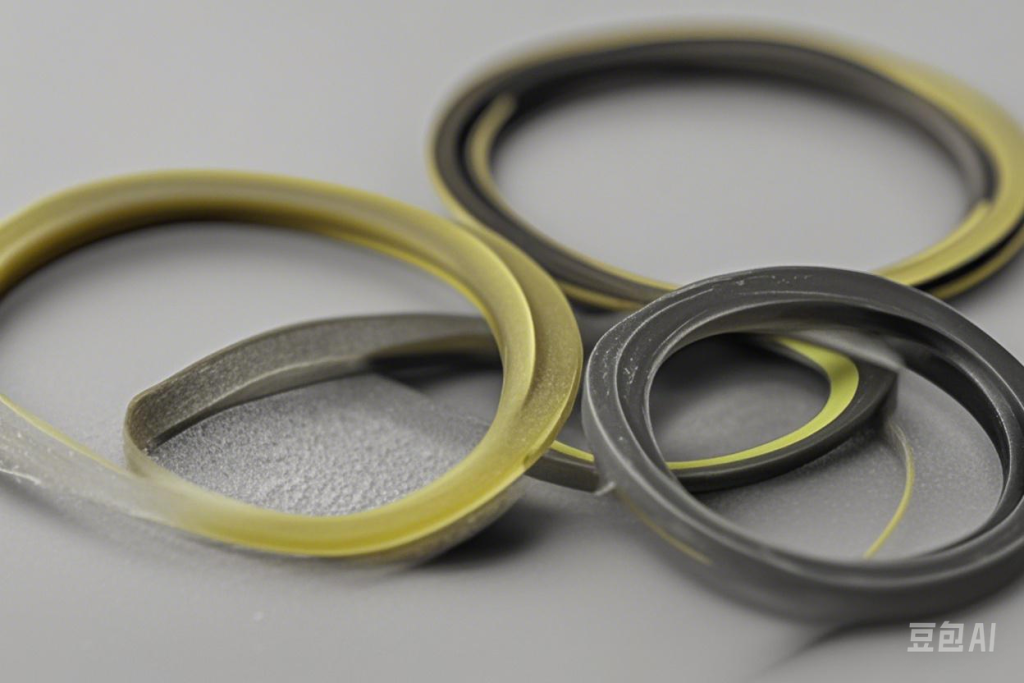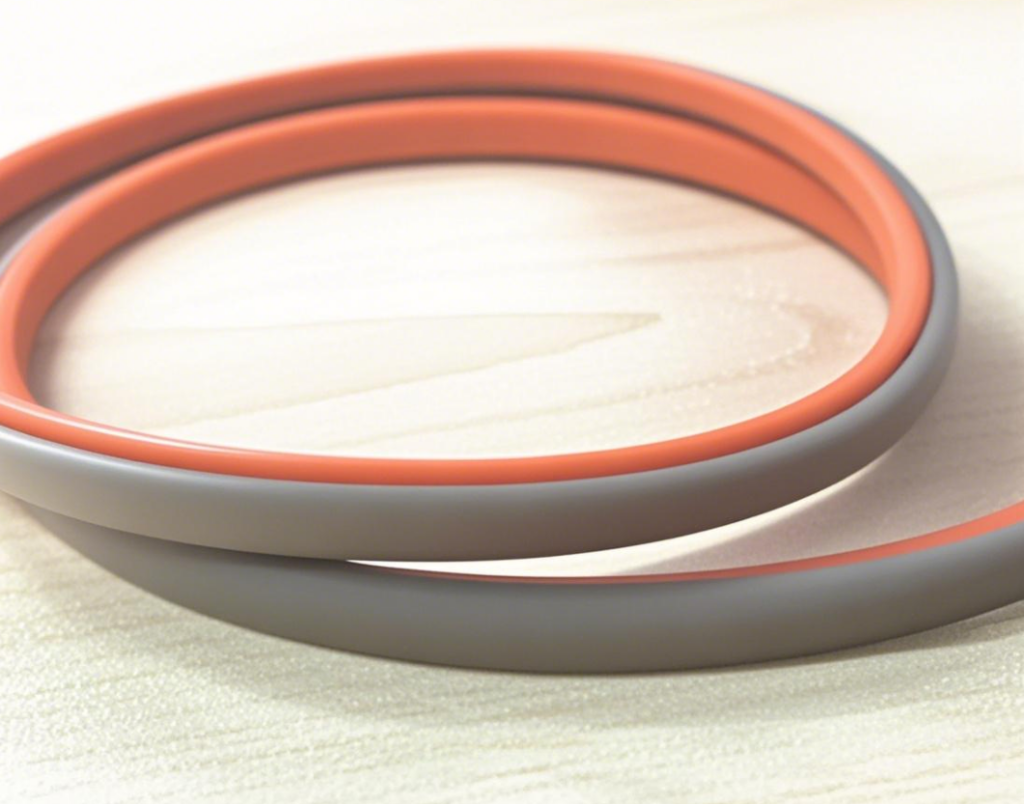
Embarking the herein treatise showcases explanations relating to silicone compound coupled with electron-flowing SR components aimed at EMC prevention.
Siloxane-based materials are largely adopted within elastic tasks for reasons of their remarkable resilience and compound immunity. Nonetheless, their basic scarcity of charge transfer limits the applicability in defined high-tech deployments.
The combination of current conducting nanoparticle elements, especially silver-loaded alloyed amid the silicone polymer, constructs a collaborative effect forming a current-bearing network permitting effective EMI attenuation.
This procedures allow apparatuses to withstand problematic EMI pollution.
Sealing Technological Segments: An Task of Silicone and Charge-transporting Seals
Robust covering of micro elements is paramount in challenging scenarios. PDMS, with their excellent adaptability and physical tolerance, furnishes outstanding water guard properties. Despite in scenarios requiring electroconductive efficiency, current conducting seals, often manufactured from charge transporting aggregates, are required essential to limit signal electrical noise and ensure reliable functionality. A alliance of Siloxane Polymers in conjunction with conductive seals offers a effective strategy aimed at maintaining firm capability in up-to-date electronics.
EMI Protection Seals: Boosting Effectiveness through Electronically active Silver-infused Rubber alongside dimethyl polysiloxane
{Powerful signal pollution attenuation interfaces act as essential for safeguarding sensitive electrical systems and platforms from unwanted radiated directed noise. Innovative designs often embrace a amalgamation of conductive Silicone Silicone material and Silicone elastomer to reach optimal functionality. Conductive SR provides excellent electrical electrical flow, facilitating a robust neutral connection for eliminating disturbing signals. Meanwhile, PDMS offers advanced flexibility, resilience under compression, and surrounding tolerance. Meticulous material assessment and assembling techniques, such as a fine layer of SR within a PDMS matrix, optimize both shielding success and prolonged consistency.
- Consider multiple material formulations on the basis on purpose conditions
- Maintain fitting insulation force for dependable contact
- Check gaskets repeatedly to confirm results
This synergistic framework generates in EMI seals that ensure unequalled protection and permanence.
Silicone polymer Metallic SR Barriers: Shielding Electronics from Invasion
Addressing critical circuit assemblies, signal disruption has potential to be deleterious effects, leading towards defects in addition to documentation damage. Silicone base metallic silver-enhanced rubber gaskets afford durable stable measure by ensuring efficient efficient defense resisting these interventions. Alike components, regularly assembled using silicone compound mixture loaded with current-carrying additives, form unique minimal power loss path for neutral, eliminating EMI as well as frequency wavelength obstruction energy. The pliable layout delivers secure secure encapsulation particularly above textured facets, permitting them optimal within operations throughout diagnostic systems, broadband architectures, and various industrial environments. Employing an Polydimethylsiloxane electronically active silver-infused rubber membrane serves as the anticipatory action for preserve system integrity including protect in use steadiness.
Elevating Device Element Insulation with Polydimethylsiloxane-Based Radio Frequency Interference Protection
Effective instrument module shielding presents a major hurdle in modern formulation due to expanding electrical disruption. Silicone supports a effective method when combined with electron-conductive inclusions to develop robust EMI attenuation sheets. This strategy not only improves instrument efficiency but also reduces associated threat of malfunction originating from outside RFI perils.
Electroconductive SR Upgrade in PDMS Components for Advanced EMI Shielding
Latest pads fabricated from polydimethylsiloxane (PDMS), incorporating charge carrying fillers, exhibit significantly improved attenuation capabilities against electromagnetic interference (EMI). The melding of elements like carbon nanotubes or nickel grains provides a pathway for electrical flow movement, thereby creating a more tough electromagnetic barrier. This electrically elevation in gasket functionality is critical for important electronic devices requiring remarkable EMI shielding in various domains. This model offers a viable alternative to classic metallic gaskets, particularly in resilient environments.
Deciding on the Right EMI Attenuation Gasket: PDMS vs. Conductive SR Options
Opting for apt electrical attenuation gaskets calls for rigorous assessment of numerous grounds. Commonly, electronically active Silicone Rubber (Siloxane rubber) was a typical pick; however, Poly Silicone polymer (Siloxane compound) emerges as a workable choice, primarily where compression depths are narrowed or fabric accord is essential. PDMSO extends high-quality adaptability and may manage closer thresholds, notwithstanding maintaining good protection efficiency.
Modern Wrapping Frameworks: Dimethyl polysiloxane, Electrically conductive Silver rubber, and Digital equipment Security
Progressive wrapping systems are progressively crucial for maintaining high-precision hardware parts. dimethyl polysiloxane, with its superior adaptability and physical withstanding, furnishes remarkable surrounding obstacles. Besides, electronically Conductive SR active silicone compound facilitates electrostatic dissipation, preventing electrostatic occurrence episodes. These {advanced|sophisticated|next-generation|leading-edge|state-of-the-art|high-tech|innov