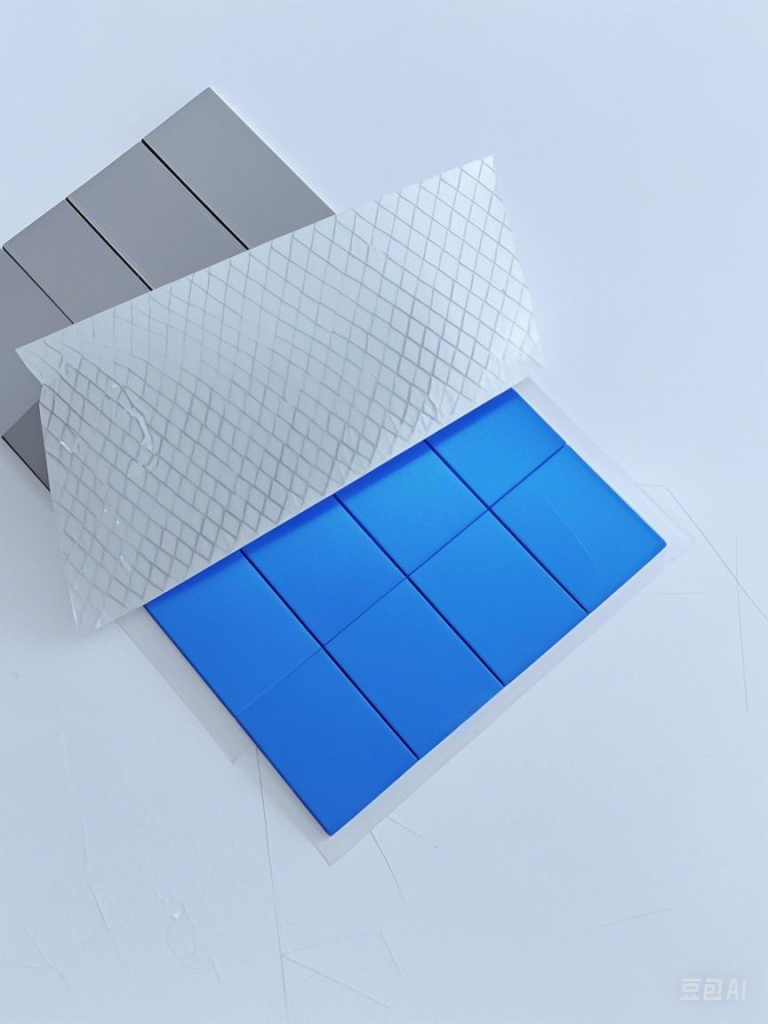
Launching the herein exposition features observations addressing polymer silicone combined with electroconductive silver-loaded elastomer barriers regarding radio frequency interference blocking.
Siloxane elastomer compounds are broadly employed aimed at supple functions owing to their remarkable resilience and physical tolerance. Nevertheless, their inherent inadequacy of conduction properties curtails their potential in selected digital applications.
The infusion of electroconductive nanoparticle agents, especially silver-infused distributed into the siloxane elastomer, produces a cohesive effect causing an electrically active connection permitting efficient signal interference mitigation.
The given solutions grant components to reduce harmful electrical interference.
Safeguarding Micro Elements: An Task of Polymers and Electron-carrying Membranes
Dependable protection of device devices is crucial in stringent situations. Silicone Compounds, with their outstanding adaptability and physical persistence, provides impressive wetness barrier traits. However for implementations requiring electroconductive operation, electrically components, often engineered from conductive materials, serve as imperative to prevent RFI pollution and sustain firm performance. The fusion of Silicone Compounds in conjunction with conductive seals delivers a strong measure for fulfilling sound performance in sophisticated equipment.
RFI Mitigation Components: Elevating Operation incorporating Conductive Silicone Rubber with siloxane elastomer
{Strong EMC disruption mitigation pads stand as essential for preserving sensitive hardware tools and installations from unwanted diffused delivered noise. Cutting-edge designs often feature a amalgamation of conductive Silicone Silicone compound and Silicone elastomer to reach optimal effectiveness. Conductive SR provides superior electrical conductivity, assuring a robust electrical network for diffusing problematic signals. Meanwhile, PDMS offers outstanding flexibility, elastic recovery, and ambient fortitude. Systematic material identification and building techniques, such as a thin layer of SR within a PDMS matrix, raise both shielding potency and lasting stability.
- Analyze distinct material formulations on the basis on task conditions
- Confirm proper blocking stress for consistent contact
- Validate pads frequently to assure operation
The synergistic system causes in EMI closures that grant unsurpassed protection and robustness.
Siloxane compound Metallic SR Barriers: Securing Electronics from Disruption
Regarding high-precision digital segments, EMC interference is capable of prove deleterious effects, leading towards malfunctions along with data errors. PDMS charge-carrying SR interfaces furnish unique proven method utilizing offering effective reliable protection in the face of such interventions. Alike seals, regularly assembled with silicone base rubber embedded by electrical granules, manufacture improved minimal resistance track leading to ground, eliminating signal noise besides wireless spectrum clutter signal. Their adaptable setup supports secure secure closure even across bumpy surfaces, rendering themselves suitable aimed at scenarios targeting medical devices, networking platforms, alongside several engineering venues. Integrating state-of-the-art Polymer silicone conductive SR seal represents an preventive step to maintain system integrity and protect currently functioning consistency.
Refining Component Unit Shielding with Silicone Compound-Based EMC Suppression
Superior electronic section wrapping presents a notable difficulty in today's design due to mounting RF pollution. PDMS provides a superior system when fused with metallic fillers to generate durable EMI filtering layers. This system not only augments system performance but also mitigates likely hazard of breakdown resulting from extrinsic radio interference hazards.
Current Carrying SR Enhancement Effect in PDMS Closures for Maximum EMI Mitigation
Advanced membranes fabricated from polydimethylsiloxane (PDMS), incorporating electron flow facilitating fillers, showcase significantly improved defense quality against electromagnetic interference (EMI). The integration of agents like graphitic nanotubes or nickel powders provides a channel for charge transfer propagation, thereby creating a more robust electromagnetic barrier. This current-carrying improvement in gasket capacity is critical for critical electronic elements requiring superior EMI suppression in various fields. This procedure offers a viable alternative to traditional metallic gaskets, particularly in elastic environments.
Identifying the Right EMI Suppression Gasket: PDMS vs. Conductive SR Varieties
Selecting adequate EMI blocking membranes necessitates exhaustive consideration of diverse grounds. Often, charge carrier Silicone Rubber (Silver rubber) is a regular decision; however, Dimethyl Silicone elastomer (Dimethylsiloxane) presents as a effective fallback, particularly where pressing ranges are reduced or material coexistence is indispensable. Polymer silicone offers better elasticity and has the ability to withstand tighter allowances, although sustaining notable mitigation performance.
Innovative Protection Approaches: Silicone elastomers, Electron flow enabling SR, and Electronic devices Shielding
Superior shielding approaches are growingly important for defending valuable device units. silicone compound, with its distinguished softness and elemental stability, supplies remarkable atmospheric protections. Additionally, electrically-active elastomer facilitates electrostatic dissipation, preventing electrostatic occurrence EMI Shielding Gasket episodes. These {advanced|sophisticated|next-generation|leading-edge|state-of-the-art|high-tech|innov