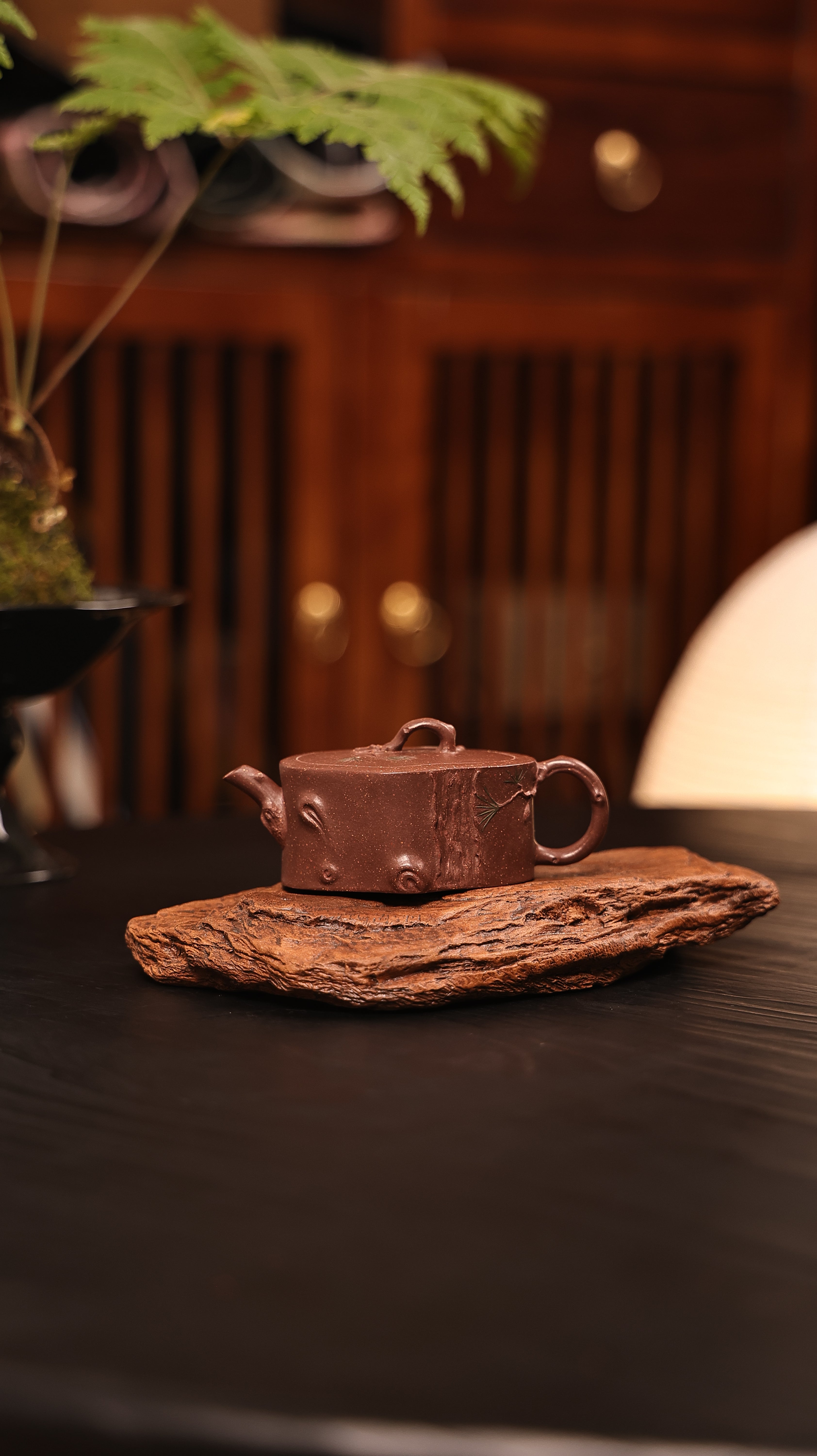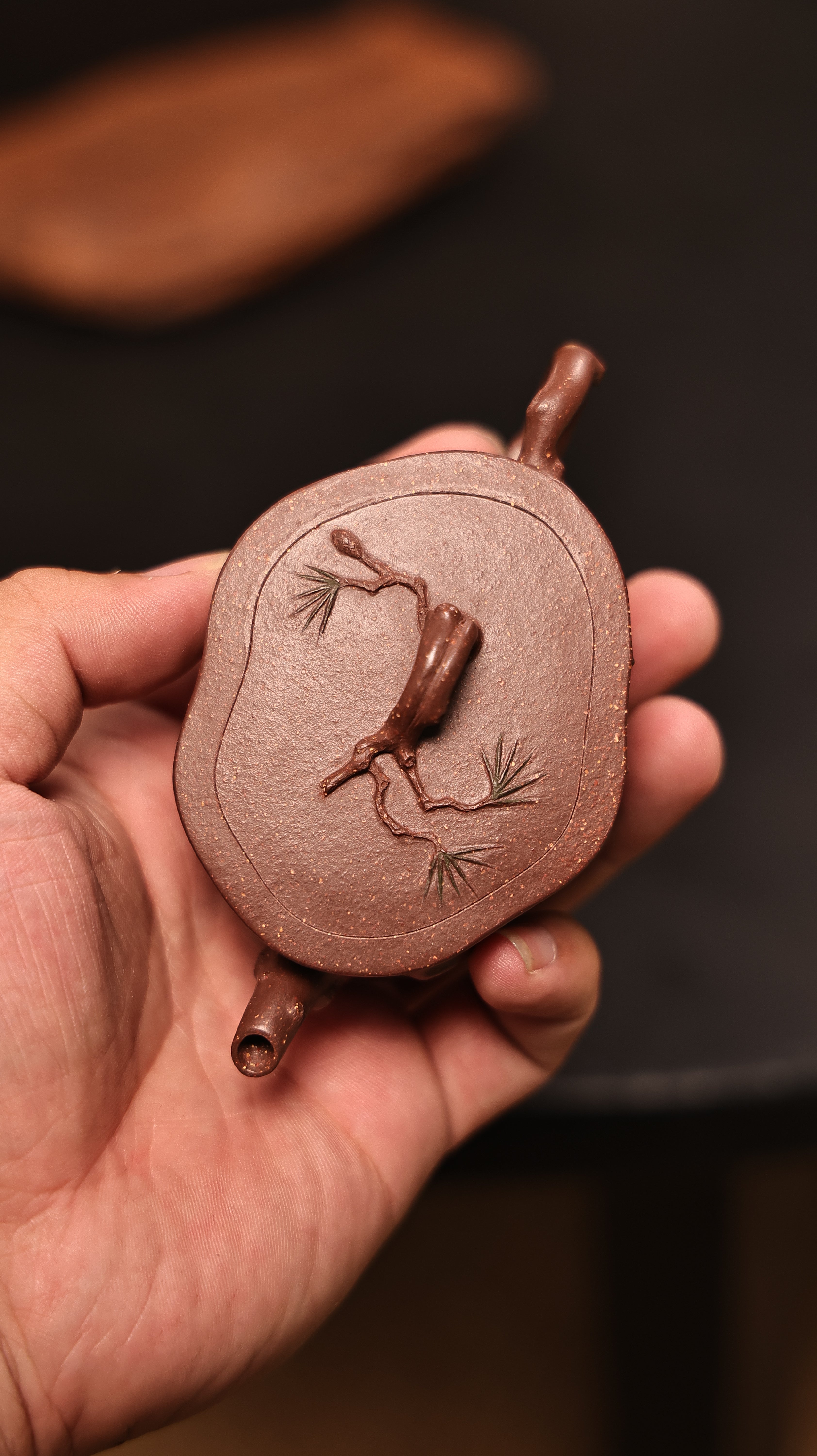
Enduring custom characterizes Eastern mugs amid centuries,
Manifesting rare features sourced inside regional mauve substances, such pitchers yield a coating throughout usage, enhancing flavor infused from steeped infusions.
Understanding Yixing Earth: Comprehensive Insights into Zisha
Countless devotees appreciate the special grain of Yixing violet clay, a foundation of classic Chinese pottery. Originating from the Yixing region of Jiangsu province, this notable clay shows an delicate mineral configuration, such that gives remarkable qualities to the finished teapots. Variants within Zisha, including Ni Mud, Duan Ni Mud, and Jiang Xi Mud, each provides separate tones, consistencies, and firing traits, determining the openness and the definitive savor growth of the tea.
Sino Pitcher Practices: Investigating Expertise
Asian teapots embody exceeding mere vessels for concoction; they signify centuries of ancestral knowledge. From the legendary Yixing clay variations, respected for their open nature which transfers unique aromas to the brew, to the fine porcelain from Jingdezhen, each piece unfolds a account of passion. The production process is an meticulous pursuit, often transmitted through tribes of makers. These experts use historic methods such as hand-building, casting on wheels, and detailing, demonstrating profound reverence for the foundation and the trade itself. Contemplate the passion invested in each piece as a symbol of Chinese pottery legacy.
- Southern vessels: a renowned option.
- Delicate ceramics teapots: valued for their refined design.
- Fabricating techniques: a complex yet worthwhile procedure.
Fine Purple Pot Preservation: Conserving Your Cherished Item
Optimal maintenance of your distinguished Yixing Zisha jar is important to securing its value. Crafted from famous purple sand compound, these exquisite teapots acquire a deep patina after service, decidedly boosting their allure. Refrain from chemicals; a tender rinse with tepid solution is capable. Do not searing water for purifying the teapot, as it may damage its material. Allow it to desiccate away from excessive solar rays. Consider conditioning your teapot regularly using choice tea, especially intense varieties. Here is a brief summary:
- Flush with comfortably warm water.
- Refrain from chemical agents.
- Grant it to lose dampness.
- Season with fine tea.
History of Yixing Teapots: From Basic Inception
The history of Yixing teapots launches initially during the Jin dynasty, around the 16th period. Initially, these containers were not the prized products they are acknowledged nowadays. They were produced by provincial potters using the sole purple clay harvested solely in the Yixing vicinity. These early pieces were predominantly utilitarian, targeted for usual operation and often unadorned in configuration. It was not until the next dynasty that they triggered to earn reputation beyond mere useful ceramics.
Opting For the Proper Zisha Pot: A Starter's Explanation
Approaching the arena of Yixing teapots can be discouraging, but refrain from resisting! For starters, the key factor is understanding the clay. Validated Yixing clay is prized for its diffusibility, allowing the teapot to soak up the tea's essence over time, elevating every steeping session. Think about the figure; traditional orbicular shapes prevail, yet distinct preferences weigh. Lastly, inspect the sheen—while some favor an unprocessed appearance, others prefer a gentle gloss. Take your time in the option process—this is an buying in a treasured piece of art.
Traditional Clay Jars and Their Contribution on Chinese Beverage Legacy
Zisha teapots, produced from Yixing, China, have profoundly transformed traditional Chinese brew culture. Those Yixing clay teapots, prized for their characteristic tint, surface, and exceptional ability to impart a subtle flavor to the liquid, are more than mere utensils; they are cherished masterpieces and symbols of eminence. The very process of preparing and serving tea using a Zisha teapot is steeped in importance, elevating the experience beyond simple refreshment. Centuries of artisans have improved their techniques, passed down through generations, resulting in highly prized pieces. Thus, Zisha teapots are frequently admired, playing a crucial part in cultivating Eastern appreciation for aesthetics and the art of liquid ceremonies.
- Special Clay Composition
- Contributing Subtle Flavor
- Decorative Craftsmanship
Establishing Legitimate Special Native Jars
Obtaining a verified Yixing teapot can be a rewarding experience, but the sector is often crowded with copies. Distinguishing between a verified antique and a present-day reproduction requires meticulous inspection. Key hints include the clay's rich brown shade, often displaying marked designs, and the nonexistence of modern roasting imprints. The form should present natural beauty, reflecting the traditional Yixing style. Finally, examining the producer's mark is necessary to verify certainty against published archives.
- Assess the clay's surface.
- Look for imperfections, indicative of manual quality.
- Employ an expert for authentication.
Collecting Traditional Ceramic Vessels: A In-Depth Instruction to Zisha Understanding
The domain of Purple Zisha pieces offers a distinct opening for experienced admirers. Increasingly, the worth of these traditional artifacts is guided by diverse components, such as the rank of Zisha, the expertise of the artisan, the artistic meaning, and, naturally, the existing supply. Learners should study on examining the varied forms of Zisha clay—such as Zisha Teapot Icy Wave, Du Ning, and Hong Ni—and familiarizing the qualities linked to each. Meticulous inspection of the vessel's outline, complexion, and logo is correspondingly paramount to make experienced judgments when investing.