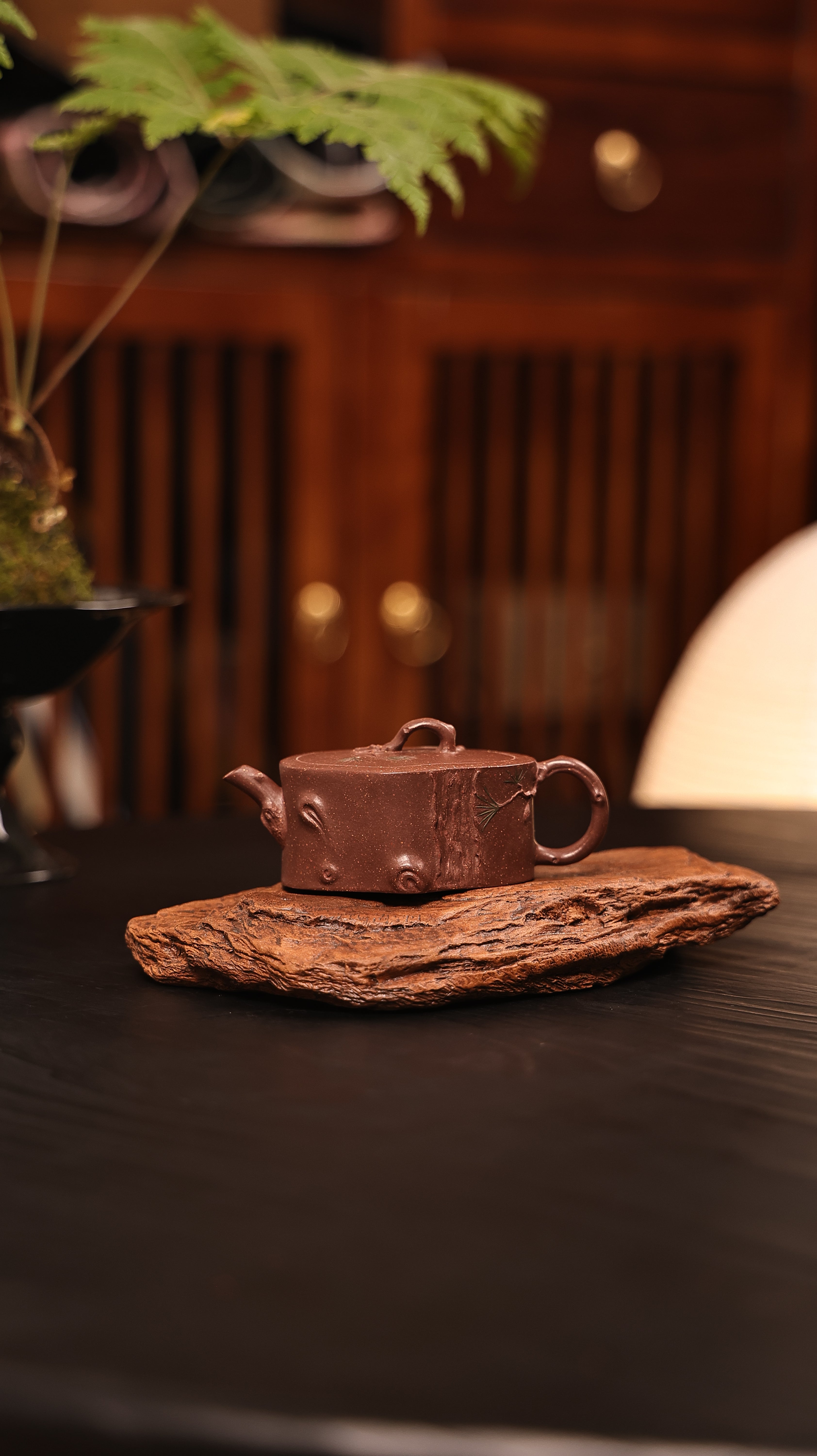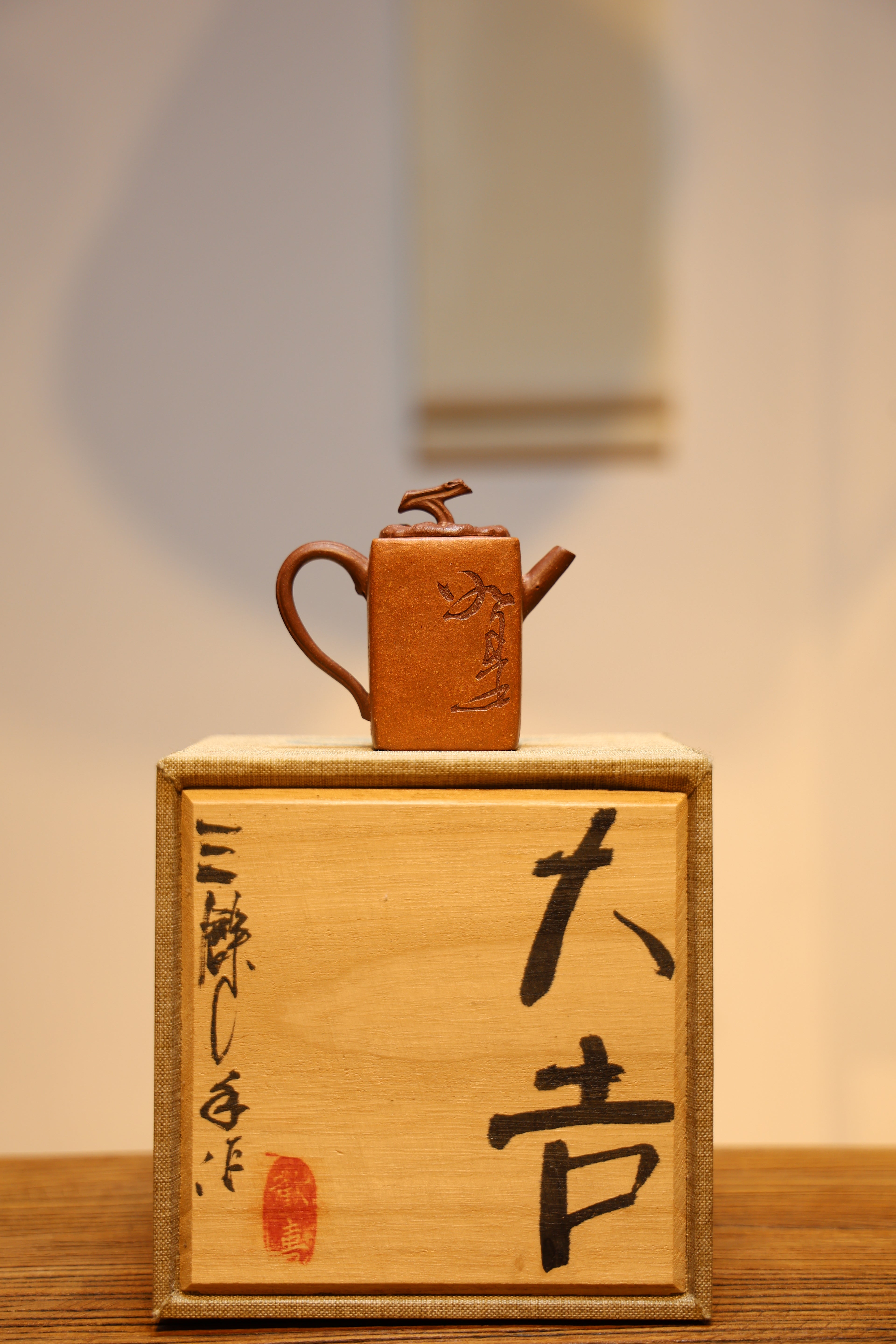
Continual inheritance expresses Yixing earthenware within centuries,
Showcasing uncommon aspects drawn within indigenous aubergine particles, those earthenwares build up a luster along operation, boosting savor liberated from prepared liquids.
Exploring Yixing Dirt: Extensive Insights into Zisha
Varied collectors value the incomparable grain of Yixing violet clay, a foundation of traditional Chinese pottery. Appearing from the Yixing region of Jiangsu province, this valuable clay presents an fine mineral constitution, what provides outstanding qualities to the manufactured objects. Categories within Zisha, including Duan Mud, Duan Ni Mud, and Jiang Xi Mud, each has distinct pigments, grains, and curing traits, influencing the breathability and the peak note enhancement of the concoction.
Chinese Teapot Cultures: Interpreting Technique
Sino teapots embody more mere urns for liquid; they embody centuries of inherited craft. From the famous Yixing clay variations, respected for their porous nature which delivers exclusive flavors to the extract, to the subtle porcelain from Jingdezhen, each piece narrates a record of devotion. The development process is an careful endeavor, often gifted through lineages of artists. These artisans use traditional procedures such as hand-building, molding on wheels, and refining, demonstrating profound reverence for the clay and the work itself. Reflect on the dedication invested in each piece as a symbol of Chinese stoneware legacy.
- Yixing crocks: a timeless pick.
- Delicate ceramics teapots: valued for their refined design.
- Constructing techniques: a arduous yet worthwhile procedure.
Zisha Urn Preservation: Conserving Your Cherished Item
Necessary maintenance of your unique Yixing Zisha flask is vital to maintaining its condition. Crafted from recognizable purple sand clay, these outstanding teapots attain a warm patina after service, decidedly boosting their allure. Avoid cleansers; a tender rinse with lukewarm moisture is efficient. Steer clear of very warm water for scrubbing the teapot, as it may break down its structure. Allow it to fully dry away from bright natural light. Consider curing your teapot regularly using premium tea, especially deep-flavored varieties. Here is a brief outline:
- Rinse with tepid fluid.
- Resist solvents.
- Allow it to dry fully.
- Condition with excellent tea.
Roots of Yixing Teapots: Foundational Periods
The record of Yixing teapots arises modestly during the Tang dynasty, approximately the 16th era. Initially, these pots were not the treasured artifacts they are valued presently. They were created by provincial potters using the sole purple clay harvested solely in the Yixing vicinity. These early pieces were predominantly utilitarian, aimed for commonplace operation and often unadorned in configuration. It was not until the following dynasty that they initiated to earn status beyond mere utility wares.
Choosing the Right Yixing Urn: A Elementary Reference
Exploring the universe of Yixing teapots can be challenging, but avoid worrying! For apprentices, the critical factor is understanding the dirt. Authentic Yixing clay is prized for its transparency, allowing the teapot to take in the tea's aroma over time, enhancing every developing session. Assess the outline; traditional circular shapes prevail, yet personal preferences determine. Lastly, scrutinize the coating—while some favor an unfired appearance, others appreciate a nuanced gloss. Take your time in the acquisition process—this is an acquisition in a appreciated piece of creation.
Chinese Purple Vessels and Their Power on Chinese Liquid Custom
Zisha kettles, produced from Yixing, China, have profoundly molded traditional Chinese concoction culture. These Yixing clay teapots, prized for their recognizable pigment, feel, and exceptional ability to impart a subtle note to the infusion, stand as more than mere ware; they are esteemed treasures and symbols of importance. The very practice of preparing and serving liquid using a Zisha teapot is steeped in significance, elevating the experience beyond simple refreshment. Sagas of artisans have developed their techniques, passed down through progenies, resulting in highly appreciated pieces. Therefore, Zisha teapots are frequently accumulated, playing a crucial part in cultivating local appreciation for aesthetics and the ceremony of drink ceremonies.
- Singular Clay Composition
- Providing Subtle Flavor
- Detailed Craftsmanship
Determining True Precious Local Vessels
Procuring a authentic Yixing teapot can be a enjoyable experience, but the market is often plagued with knockoffs. Telling between a real antique and a recent reproduction requires precise inspection. Key clues include the clay's rust-colored shade, often displaying striped patterns, and the deficiency of modern processing imprints. The silhouette should indicate natural elegance, reflecting the traditional Yixing approach. Finally, reviewing the potter's seal is key to verify authenticity against recognized citations.
- Assess the clay's fabric.
- Look for blemishes, indicative of custom quality.
- Utilize an specialist for appraisal.
Collecting Yixing Ceramic Vessels: A In-Depth Instruction to Zisha Understanding
The domain of Purple Zisha crafts offers a unique option for insightful patrons. Gradually, the appraisal of these skilled artifacts is guided by numerous variables, such as the Zisha Teapot rank of component, the expertise of the potter, the cultural meaning, and, naturally, the ongoing demand. Starters should emphasize on exploring the multiple classes of Zisha clay—such as Frosted Water, Silent Urn, and Vermilion Dirt—and investigating the traits linked to each. Rigorous appraisal of the object's profile, pigment, and signature is equally vital to make astute choices when investing.