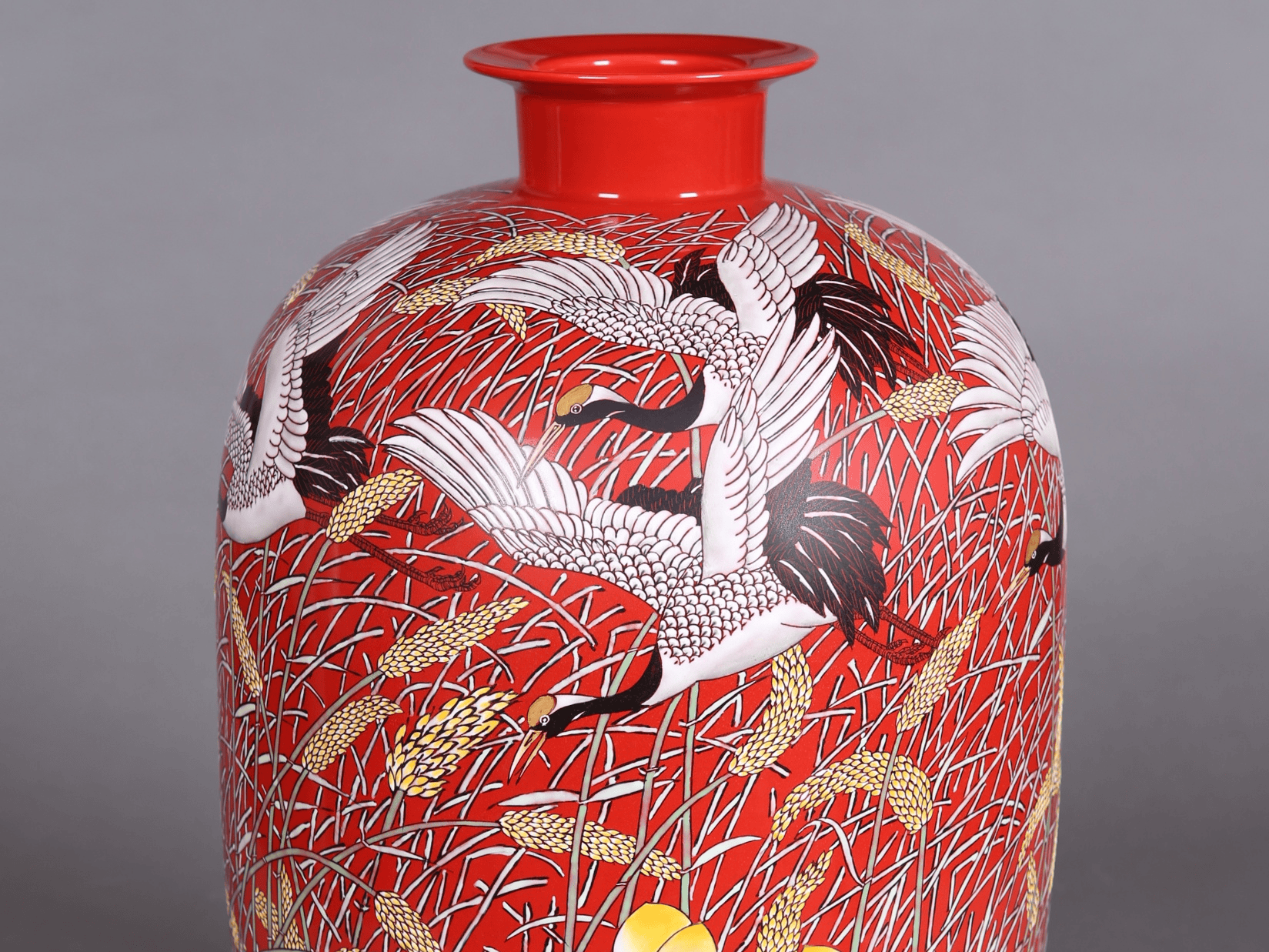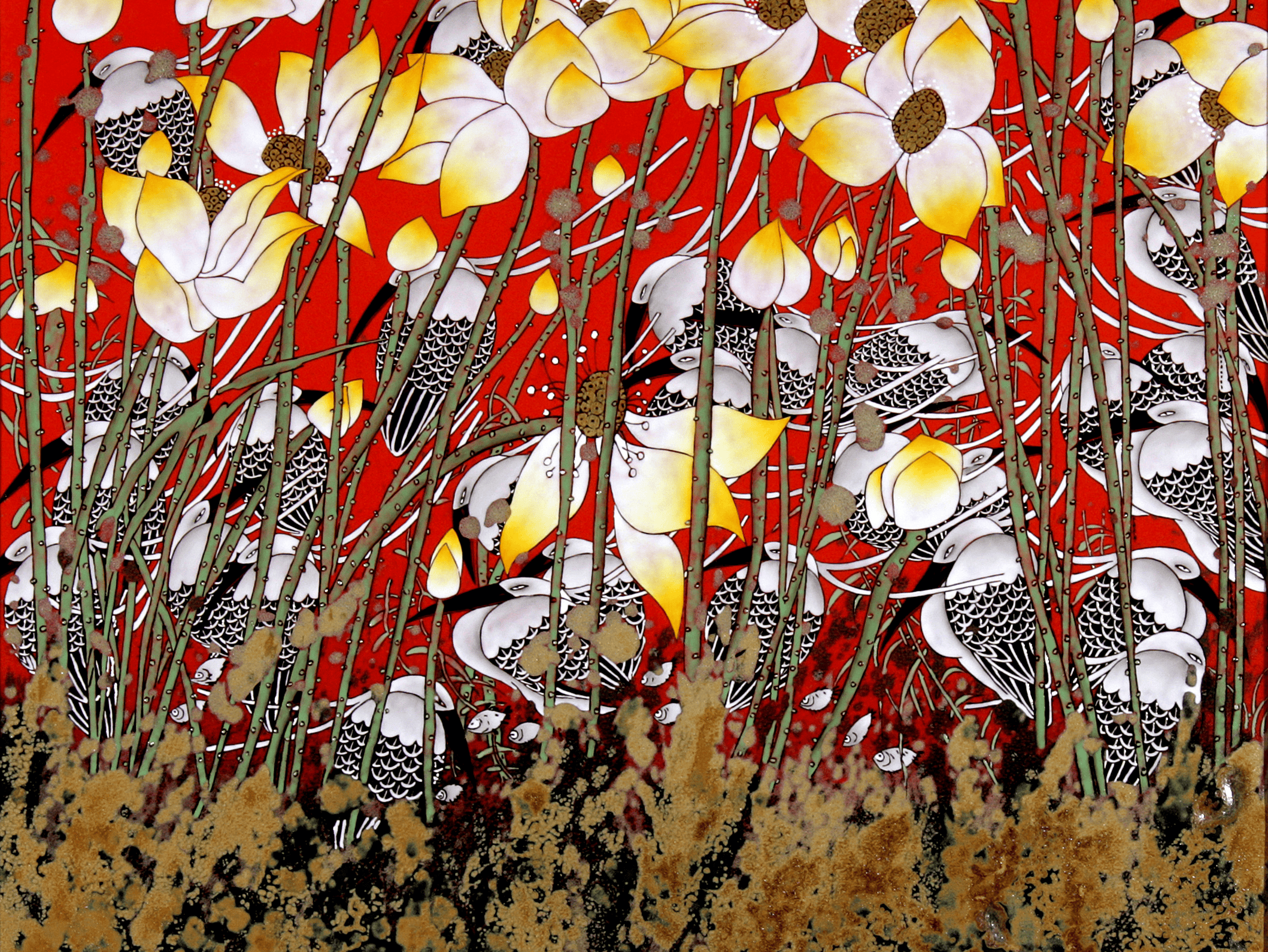
Brick form symbolizes a outstanding craft version with a considerable past, covering back legions of years. From ancient holders to present-day installations, the substance offers exceptional possibilities for creative manifestation. Artisans practice assorted techniques – including coiling, wheel shaping, and developed firing processes – to fashion humble silt into beautiful three-dimensional creations. The resilience of fired stoneware also contributes to its status as a truly noteworthy part of human custom.
Exploring Pottery Panel Styles and Procedures
The area of ceramic sign design offers a sizable array of resourceful possibilities. Sculptors often employ a blend of classic and new techniques to form visually eye-catching pieces. These can cover from simple, engraved reliefs to complex, multi-layered structures. Widely practiced methods include template molding, sculpting by hand, glazing – which can involve several approaches like primary coloration, post-firing embellishment, and engraved motif where designs are exposed by taking away a layer of coating. Additional exploration into outer appearances such as raku and lustre decoration can yield truly rare and specialized porcelain markers.
- The slip cast process - Forming pieces using a frame
- Physical Construction - Meticulously shaping the dirt
- Coating - Covering the surface with a smooth finish
- Engraved motif - Disclosing designs by scraping covers
Enveloping Experiences: Earthenware Art Installations
The progressing landscape of craftsmanship presents exciting fresh avenues for guests, and ceramic art installations are at the front line of this trend. These aren't just static statues; they are fashioned to envelop the observer in a sensory realm. Imagine passing through a forest of towering, textured ceramic trees, or navigating a cluster of fine ceramic vessels. Many producers are now incorporating tones, illumination, and even essence to enhance the impact of their work. Contemplate the power of a room filled with hundreds of carefully ceramic objects, each telling a chronicle. Often, such installations analyze themes of the earth, history, and the individual.
- The mentioned installations blur the distinctions between figure and environment.
- Viewing a ceramic art installation can be a deeply affecting journey.
- Sculptors are challenging the thresholds of what is achievable with clay.
Such Beauty of the Porcelain Vessel: Use and Configuration
The clay jar represents a distinctive fusion of applicability and aesthetic appeal. Historically, these urns served a primary duty in sustaining plants, but their advancement has transformed them into highly valued works of art. Each object showcases the mastery of the potter, demonstrating how design can be as noteworthy as application. The deliberate shaping, the uncommon glazes, and the comprehensive presence of a beautifully-crafted urn can upgrade a space, offering both allure and a subtle reminder of the craftsman’s hand.
State-of-the-art Ceramic Form : Stretching Margins
State-of-the-art pottery form represents a fascinating change from customary practices. Sculptors are actively innovating with different processes, dissolving the frontiers between design and different artistic mediums. From monumental installations to delicate miniature pieces, those works delve into themes of individuality while in unison remodeling the basic of what porcelain can manifest. The upshot is a forceful sector of inventive display.
Brick Badge: Keeping Annals in Brick
Porcelain plaques offer a exceptional method for commemorating significant events and beings. In contrast to traditional metal or stone markers, these sturdy pieces of creation are formed from kilned clay, creating a material link to the former Travel Cup Set times. Frequently, they feature intricate figures or beautifully rendered imagery, portraying stories that might otherwise be neglected. A technique, going back to ancient peoples, provides a elegant and unfading way to honor our collective narrative.
- Such can be installed in common spaces.
- Countless are now viewed historical objects.
Stoneware Art Showcases: Reimagining Venues
Earthenware art installations are developing a strong medium for designers to redefine public and private settings. These immersive works frequently involve considerable clay designs that absorb viewers, changing their interpretation of the designed environment. By utilizing diverse tactics like fabricated molding and complicated firing approaches, ceramic artists produce truly original experiences, removing the lines between work and setting. The outcome is often a touching change that elevates the decorative quality of the place and stimulates reflection.
Genesis Turning Device to Awe: The Skill of the Brick Urn
The journey of a stoneware holder from a simple lump of material to a finalized work of craft is a testament to human brilliance. Historically, the process originates with the potter’s wheel, where the adept artisan creates the spinning earth into a cylindrical design. This early period demands skilfulness and a sensitive eye, followed by a delicate curing period. Once soft-fired, the vessel is ready for ornamentation, which may require designing intricate patterns, etching detailed views, or utilizing a multitude of glazes. The ultimate heating process then converts the product into a durable and beautiful jar, a tangible demonstration of the craftsman's imagination.
Sculpting with Stoneware: A Guide to Clay Project
Entering the landscape of ceramic creation begins with mastering the fundamentals of forming with stoneware. The aforementioned means comprises systematically composing and subtracting mass to fashion three-dimensional items. Whether you're a beginner or a accomplished designer, exploring with diverse kinds of clay – specifically ceramic – will enable you detect your special manner. Conclusively, clay forming is a fruitful exploration that combines professional ability with inspired demonstration.